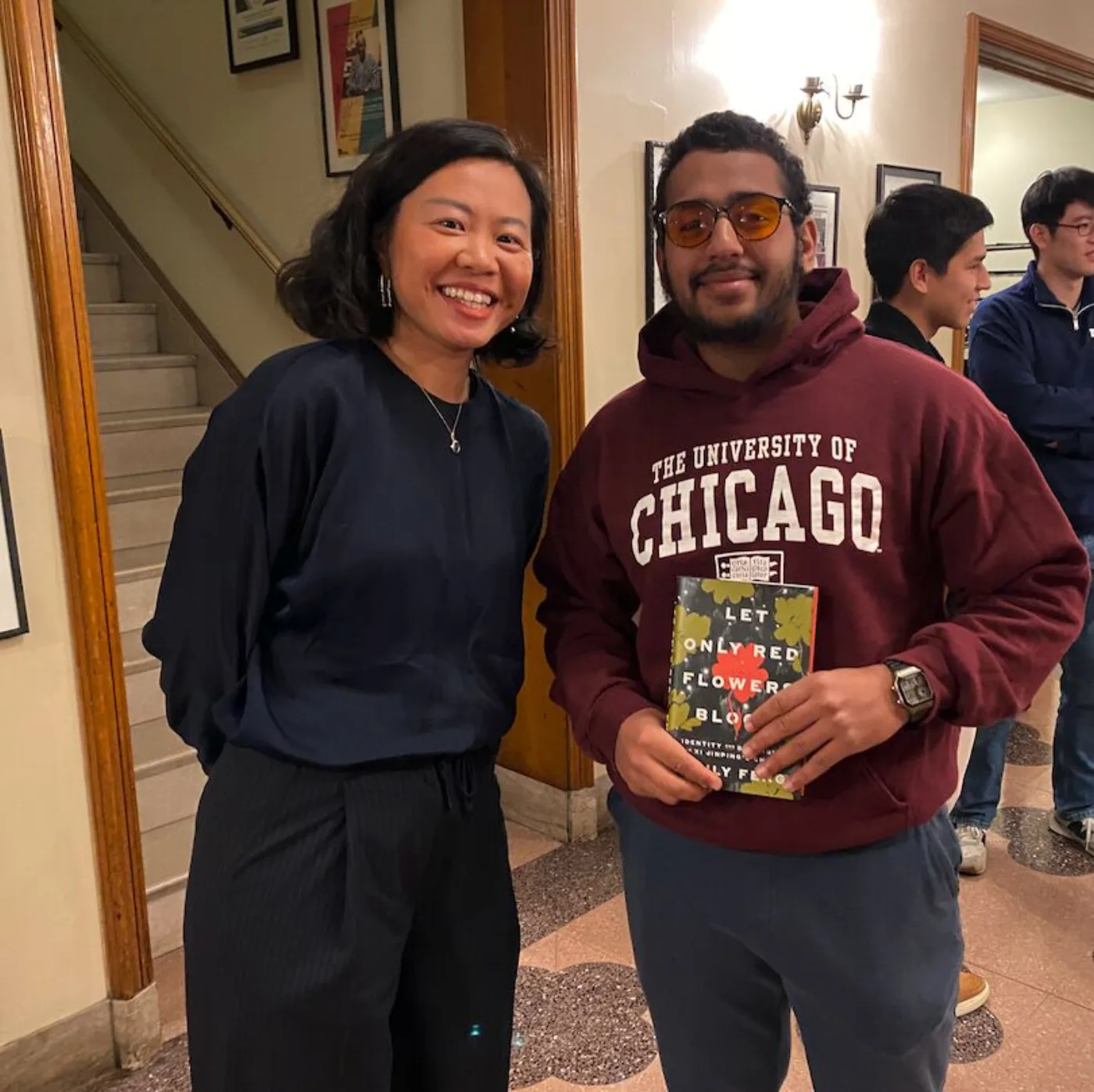
Today was one of those moments that stays with you. I had the chance to meet Emily Fang and listen to her speak about China, technology innovation, and policy, and it completely changed the way I think about the world of tech.
As someone who's always been fascinated by how technology can make life more efficient and meaningful, I found myself listening closely, trying to absorb every word. I kept writing in my notebook nonstop, and every few sentences made me pause to think about how quickly the world is shifting and how much there is to learn if you just pay attention.
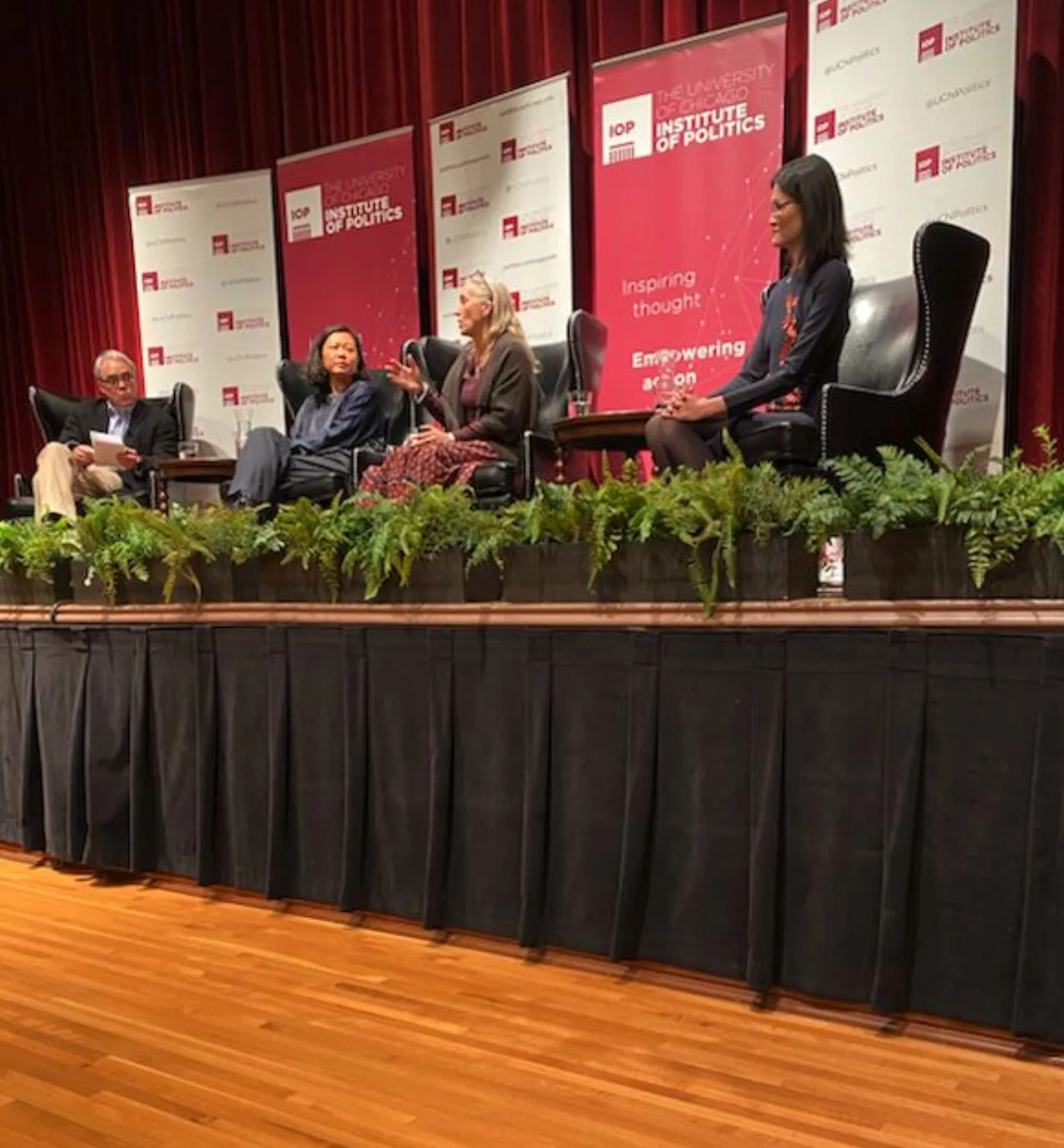
Here are some of the lessons that really stood out to me:
1. International Relations and Credit
Emily talked about how the global AI race is not only about building better systems but also about who gets the credit, who sets the rules, and who controls the data. As AI keeps advancing, different countries and organizations are competing to innovate faster and cheaper. But that competition also creates tension, making collaboration harder even when working together could lead to bigger discoveries.
2. If You Want to Move Fast, Build SaaS
One practical takeaway was that if you want to move fast and build something scalable, start with SaaS. It's low-cost to begin, easier to test, and can grow quickly if you stay consistent. That idea really stuck with me because it reflects what I've been trying to do — build solutions that actually make an impact and can expand naturally over time.
3. Hardware is Harder
Compared to software, hardware comes with higher risks and much bigger challenges. It requires more funding, resources, and patience. The supply chains are tough to navigate, which makes it harder for smaller teams to compete. But hearing this made me realize that sometimes the hardest industries are also the ones with the biggest opportunities for change.
4. China's Push Toward Renewable Energy
Emily also mentioned how China is focusing not only on AI but also on renewable energy and climate technology. This push is part of a larger plan to take the lead in the industries that will shape the next generation of innovation. It showed me that real power comes from long-term vision, not just short-term wins.
5. From "Exploring" AI to "Establishing" AI
Over the past 5 to 15 years, China's focus on AI was mostly exploratory. They were testing, researching, and experimenting. But now, there's been a shift. They are moving from exploring AI to establishing it. It's no longer something to experiment with — it's something to build the future around.
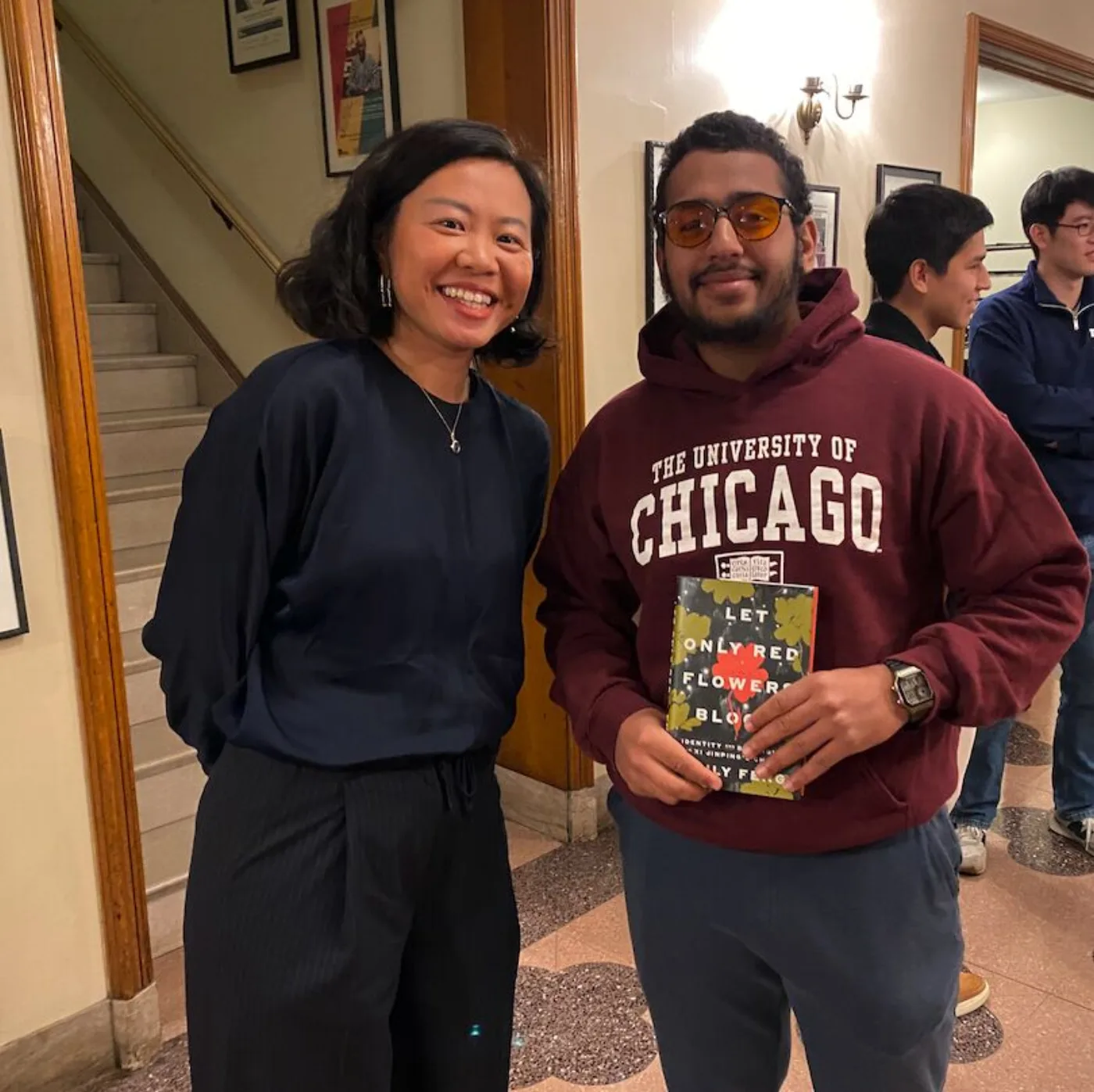
Meeting Emily Fang was a reminder that the future of technology isn't just about code and algorithms — it's about understanding the bigger picture, the geopolitics, the human element. And the people who pay attention to all of it are the ones who will shape what comes next.